Château de Caen
Château de Caen: A Symbol of Norman Heritage

Château de Caen: A Symbol of Norman Heritage

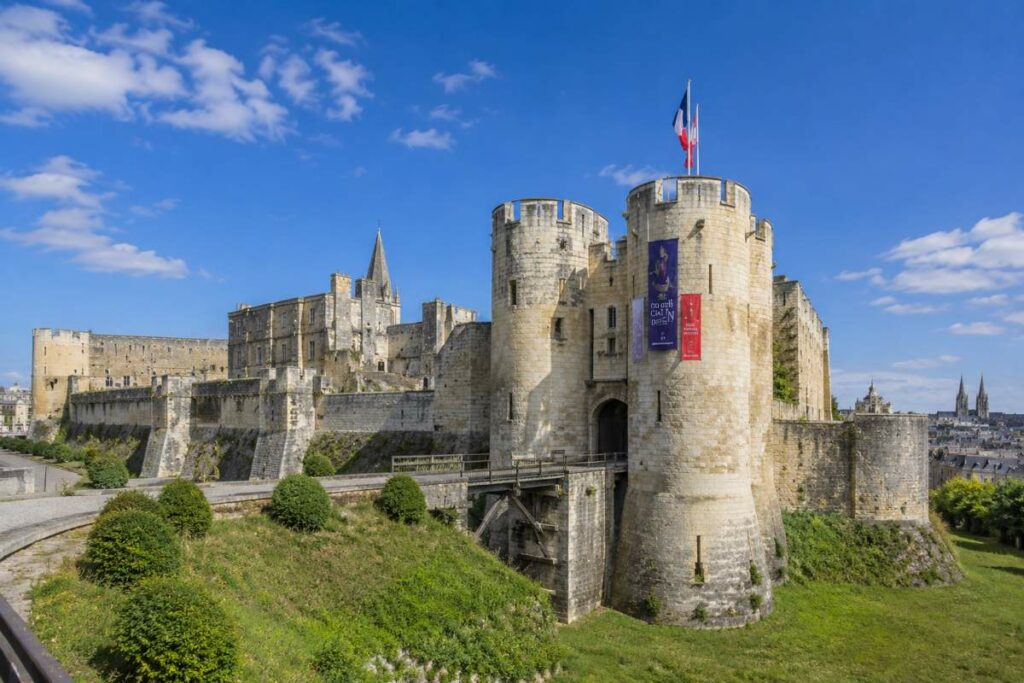
The Château de Caen is one of the most remarkable medieval fortresses in France and a major historical landmark in Normandy. Built around 1060 by William the Conqueror, the castle has played a significant role in the region’s military, political, and cultural history. Today, it attracts visitors from around the world who come to discover its impressive walls, historic buildings, and fascinating museums.

The History and Importance of the Château de Caen

Constructed during the 11th century, the Château de Caen was designed to strengthen Norman power and protect the city. Over the centuries, it served as a royal residence, military stronghold, and strategic defensive site. The fortress witnessed numerous historical events, including conflicts during the Hundred Years’ War and the Second World War.

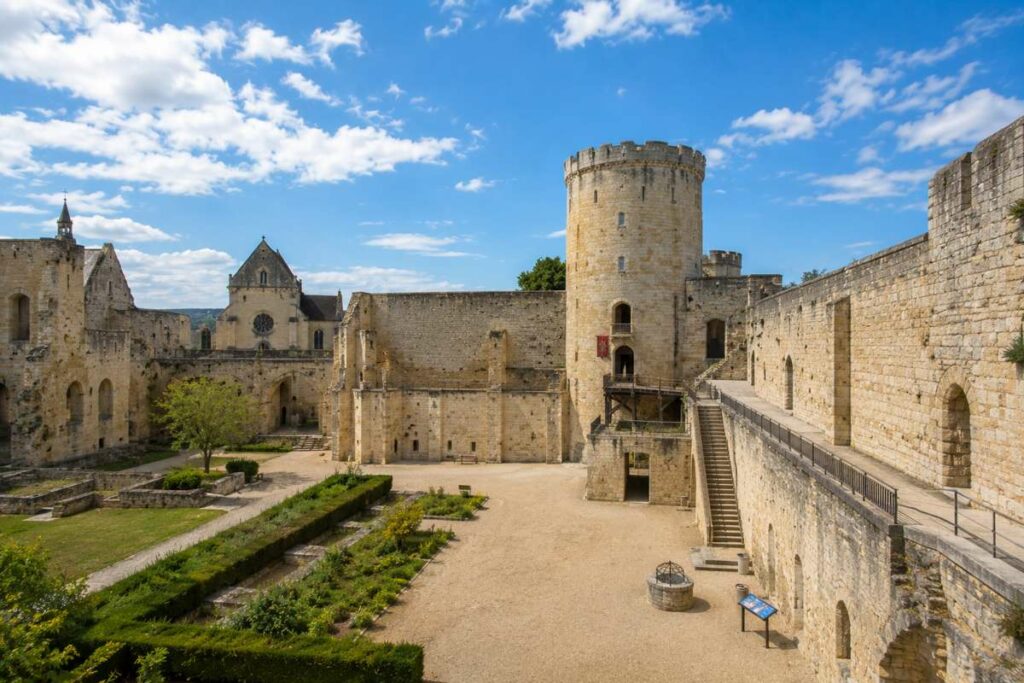
Today, the castle stands as a testament to Normandy’s rich past. Visitors can walk through its vast grounds, admire the ancient ramparts, and gain insight into the life and legacy of William the Conqueror. The site also hosts cultural exhibitions and educational programs that highlight the region’s heritage.

What to See at the Château de Caen

👉 The Castle Walls and Ramparts – Enjoy panoramic views of Caen while exploring one of the largest fortified enclosures in Europe.

👉 The Museum of Normandy – Discover exhibitions dedicated to Norman history, traditions, and archaeology.

👉 The Museum of Fine Arts – Admire an impressive collection of European paintings and artworks spanning several centuries.

👉 The Saint-Georges Church – Visit this historic building located within the castle grounds, which often hosts cultural events and exhibitions.

👉 The Ducal Palace Remains – Explore the remnants of the residence once associated with William the Conqueror and the Norman dukes.

👉 Seasonal Events and Activities – Attend concerts, historical reenactments, guided tours, and family-friendly workshops organized throughout the year.


Leave a Reply

Your email address will not be published. Required fields are marked *

X