things to do in caen
Things to do in Caen : Explore History, Culture and More

Things to do in Caen

Caen Castle (Château de Caen)

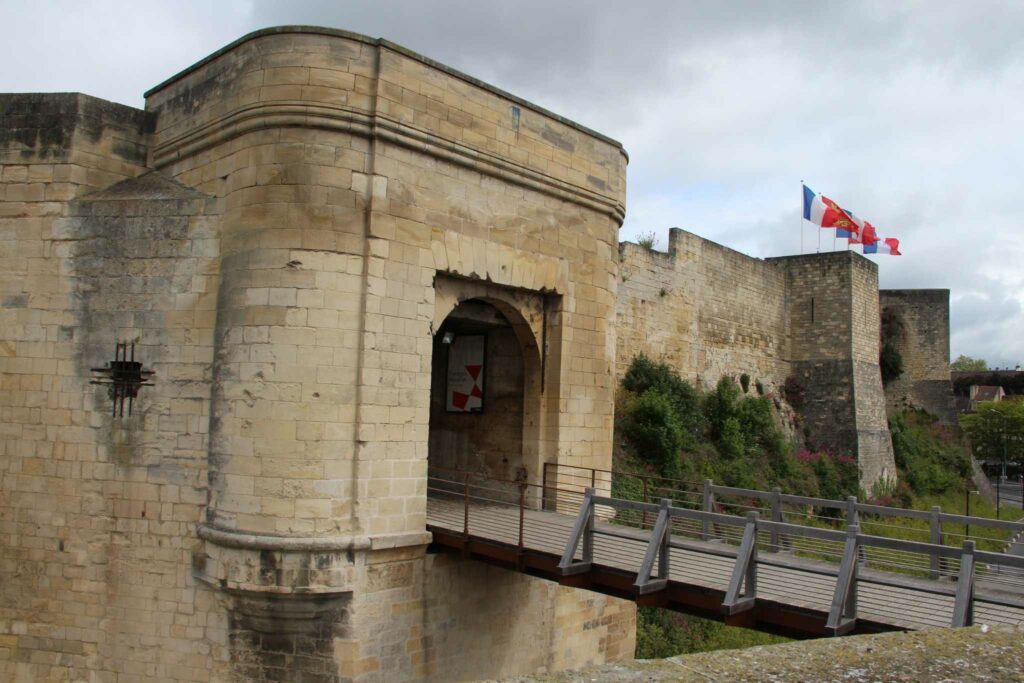
Built around 1060 by William the Conqueror, the Château de Caen is one of the largest medieval fortified enclosures in Europe, covering more than five hectares in the heart of the city. The castle was established shortly before William’s conquest of England in 1066 and served as both a military stronghold and a symbol of ducal power in Normandy. Over the centuries it was expanded by successive English and French monarchs, becoming a key strategic fortress during the Hundred Years’ War and later adapted for artillery during the reign of Louis XIV.

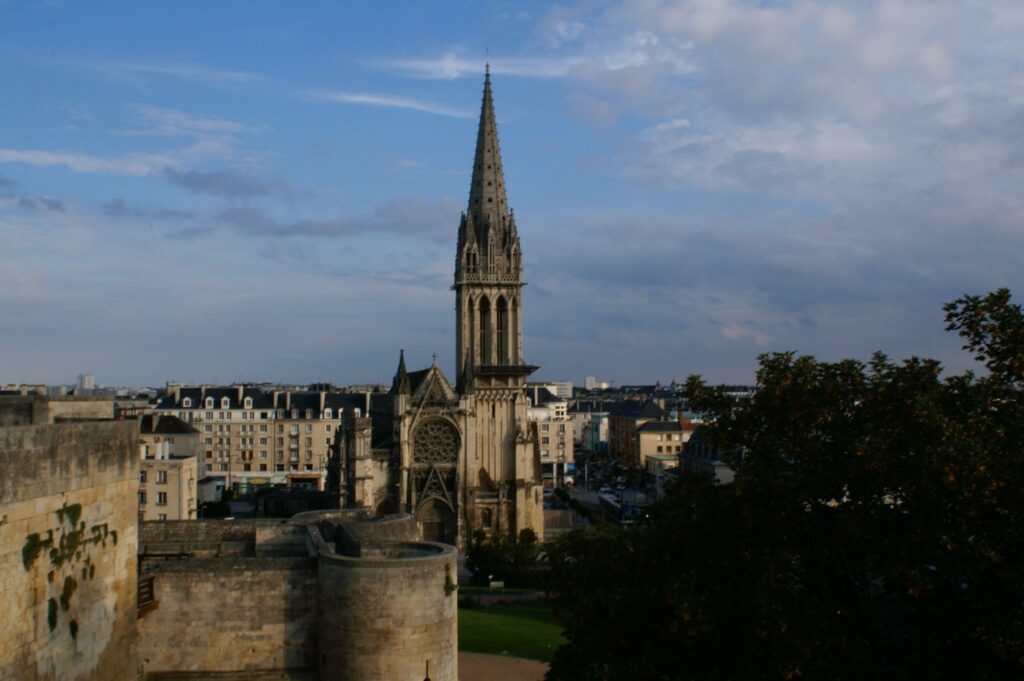
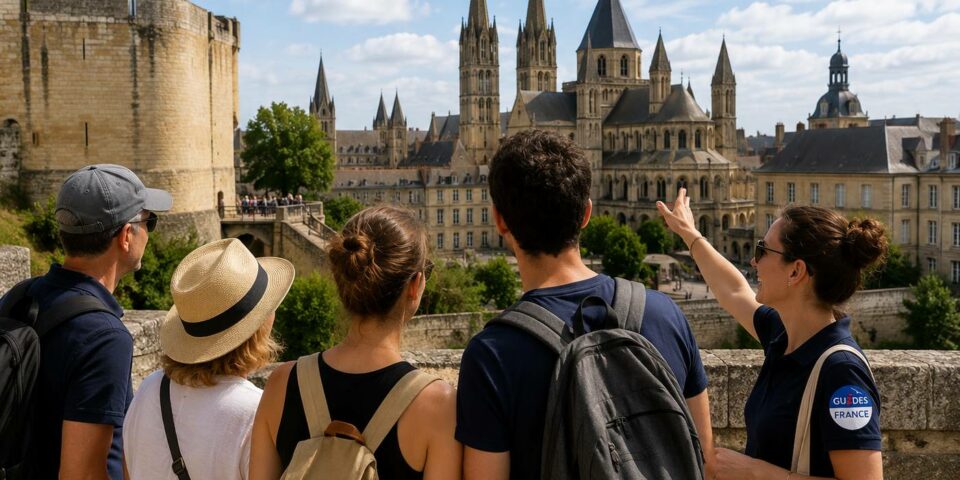
Today, visitors can walk along the impressive ramparts, explore the restored gatehouses, and enjoy panoramic views over Caen. Within the castle walls are two excellent museums: the Museum of Normandy, which explores the region’s history and traditions, and the Museum of Fine Arts, home to an outstanding collection of European paintings from the Renaissance to the twentieth century. Throughout the year, the castle hosts concerts, historical re-enactments, exhibitions and cultural events, making it one of Caen’s liveliest attractions. A visit offers not only a fascinating journey through nearly one thousand years of Norman history but also one of the finest viewpoints over the city’s medieval skyline.

Men's Abbey (Abbaye aux Hommes)

The Abbaye aux Hommes, officially known as the Abbey of Saint-Étienne, is one of the greatest masterpieces of Romanesque architecture in France. Founded in 1063 by William the Conqueror, the abbey was built as part of the papal penance for William’s marriage to Matilda of Flanders, who was related to him by blood. The abbey church, with its harmonious proportions and elegant twin western towers, became an architectural model throughout Normandy and England.

William the Conqueror was buried here in 1087, and visitors can still see his simple tomb beneath the choir, although only a small fragment of his remains survives after centuries of conflict and desecration. During the French Revolution the abbey escaped widespread destruction and later became a prestigious lycée before housing Caen’s Town Hall, which remains there today.

Inside, visitors are struck by the soaring nave, graceful arches and remarkable simplicity of the Romanesque interior. Guided tours also reveal the beautifully restored cloister, monastic buildings and former refectory. The abbey continues to host concerts and cultural events, while its gardens provide a peaceful setting in the heart of the city. It remains one of Normandy’s finest examples of medieval religious architecture and an essential stop for anyone interested in William the Conqueror’s remarkable legacy.

Women's Abbey (Abbaye aux Dames)

The Abbaye aux Dames, or Abbey of Sainte-Trinité, was founded in 1062 by Queen Matilda of Flanders, wife of William the Conqueror. Like the Abbaye aux Hommes, it was established partly to obtain papal approval for their controversial marriage. The abbey quickly became one of the wealthiest and most influential convents in medieval Normandy, housing noblewomen and playing an important religious and political role throughout the Middle Ages.

The church is celebrated for its elegant Romanesque architecture, graceful columns and beautifully proportioned interior. Queen Matilda herself was buried here in 1083, and her tomb remains one of the abbey’s principal attractions. Unlike many religious buildings in France, the abbey survived the French Revolution relatively intact, although its purpose changed over time.

Today the former convent buildings serve as the headquarters of the Normandy Regional Council, while the church remains open to visitors and worshippers alike. Guided tours reveal centuries of history, magnificent architecture and beautifully restored interiors. The surrounding gardens offer a tranquil place to relax, while exhibitions and cultural events are held throughout the year. Together with the Abbaye aux Hommes, the abbey symbolises the extraordinary legacy of William and Matilda, whose patronage helped shape Caen into one of medieval Europe’s greatest cities.

Caen Memorial (Mémorial de Caen)

The Mémorial de Caen is widely regarded as one of Europe’s most important museums dedicated to the history of the twentieth century. Opened in 1988 near the site of a former German bunker, the museum was created not simply to recount the events of the Second World War but to promote understanding, reconciliation and peace.

Its extensive exhibitions examine the causes of both World Wars, the rise of totalitarianism, the Holocaust, the D-Day landings, the Battle of Normandy and the Cold War. Through immersive displays, original artefacts, personal testimonies, films and interactive exhibits, visitors gain a deeper understanding of how global conflict shaped modern Europe.

Vaugueux Quarter

The Vaugueux Quarter is one of Caen’s oldest and most picturesque neighbourhoods, offering visitors a glimpse of the city as it existed before the devastation of the Second World War. Remarkably spared from the heavy bombing of 1944, its narrow cobbled streets, stone houses and timber-fronted buildings preserve the atmosphere of medieval Normandy.

Located at the foot of Caen Castle, the district has been inhabited since the Middle Ages and was once home to craftsmen, merchants and small workshops serving the nearby fortress. Today it has become one of the city’s most vibrant areas, lined with traditional Norman restaurants, lively cafés, wine bars and independent boutiques.

The quarter is particularly atmospheric in the evening, when outdoor terraces fill with locals and visitors enjoying regional specialities such as Camembert cheese, fresh seafood, Normandy cider and Calvados. Throughout the year, Vaugueux hosts cultural events, street entertainment and festive markets that contribute to its lively atmosphere.

Despite its popularity, the district has retained its authentic charm and remains an ideal place to wander at a leisurely pace, discovering hidden courtyards, historic façades and charming alleyways. A visit to Vaugueux perfectly complements the nearby castle and abbeys, providing an enjoyable blend of history, architecture and contemporary Norman lifestyle.

Leave a Reply

Your email address will not be published. Required fields are marked *

X