things to do in le havre
Things to do in Le Havre : The best Art and Architecture to see

The Best Things to do in Le Havre : A mix of Art, History and Heritage

Le Havre is one of France’s most surprising destinations. Located on the Normandy coast where the Seine River meets the English Channel, it combines maritime heritage, striking modern architecture, world-class art, and fascinating history. While many travelers pass through the city on a cruise or a day trip from Paris, those who explore Le Havre with a private guide discover a place that is rich in stories, culture, and hidden details often missed by independent visitors.

Here are our best things do to in Le Havre, to help you organise your intinerary.

Perret City Centre

The heart of Le Havre is unlike any other city center in France. After World War II, architect Auguste Perret designed an entirely new urban landscape using reinforced concrete, wide boulevards, elegant squares, and carefully planned residential buildings. Today, the city center is recognized as a UNESCO World Heritage Site and is considered one of the finest examples of post-war urban planning anywhere in the world.

Walking through the Perret district is like visiting an open-air architectural museum. Every building has been designed according to a harmonious grid, yet subtle differences in balconies, columns, proportions, and decorative details create a sense of elegance rather than repetition. A guided stroll reveals hidden courtyards, impressive civic buildings, bustling shopping streets, and public spaces designed to maximize natural light. Architecture enthusiasts will appreciate Perret’s pioneering use of concrete, while photographers will enjoy the geometric lines and changing shadows throughout the day. Even visitors unfamiliar with modern architecture often leave impressed by how welcoming and livable the district feels. Exploring the city center is one of the best ways to understand Le Havre’s remarkable transformation from wartime destruction to UNESCO-recognized masterpiece.

Le Havre Beach

Le Havre Beach offers the perfect blend of relaxation, outdoor activities, and coastal scenery. Stretching along the English Channel, the wide pebble beach is a favorite gathering place for both locals and visitors throughout the year. In summer, people come to sunbathe, swim, paddleboard, kayak, and enjoy beach sports, while cooler seasons provide peaceful walks accompanied by fresh sea air and dramatic ocean views.

The promenade is ideal for cycling, jogging, or simply strolling while admiring the modern skyline behind you and the open sea ahead. Along the waterfront, you’ll find cafés, restaurants, beach huts, sculptures, and public gardens that create a lively yet relaxed atmosphere. Families appreciate the playgrounds and open spaces, while photographers often visit at sunrise or sunset when the light transforms the coastline into a spectacular display of colors. The beach is also an excellent place to watch ferries, cargo ships, and cruise vessels entering one of Europe’s busiest ports. Whether you’re looking for recreation or a quiet moment by the sea, Le Havre Beach is an essential part of the city’s charm.

Saint Joseph's Church

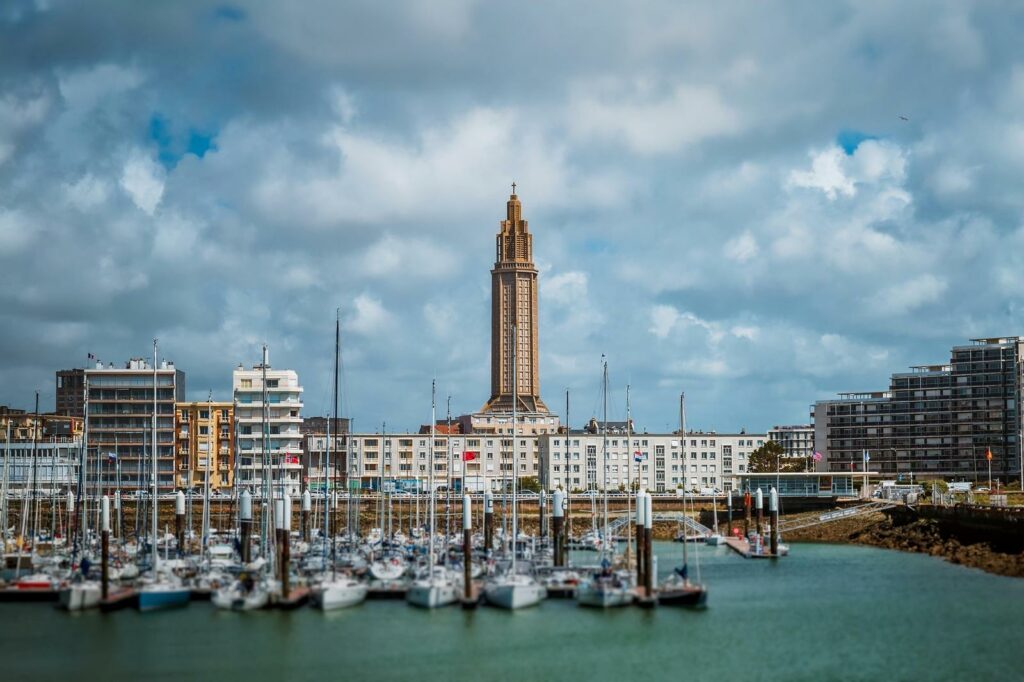
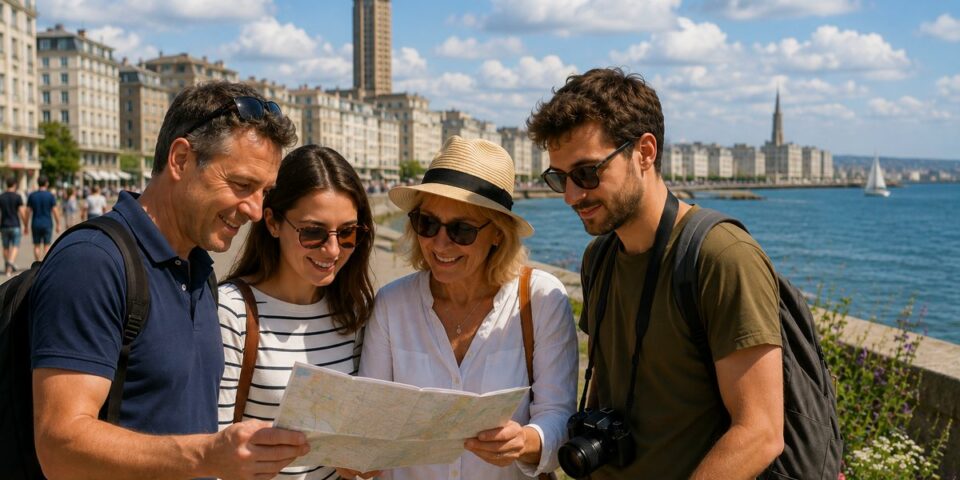
Saint Joseph’s Church is undoubtedly Le Havre’s most iconic landmark and one of the city’s greatest architectural achievements. Designed by renowned architect Auguste Perret and completed in 1957, the church was built as both a place of worship and a memorial to the thousands of civilians who lost their lives during the Second World War. Its soaring 107-meter tower dominates the city’s skyline and can be seen from miles away, serving as a beacon for ships approaching the port.

Step inside to experience one of the most breathtaking interiors in France. More than 12,000 pieces of colored glass fill the church with constantly changing shades of blue, gold, pink, and violet as sunlight filters through the windows. The minimalist concrete structure creates an atmosphere of peace and reflection that contrasts beautifully with the vibrant stained glass. Visitors can admire Perret’s innovative use of reinforced concrete, learn about the rebuilding of Le Havre after the war, and enjoy spectacular panoramic views of the tower from various points around the city. Whether you are interested in architecture, history, photography, or spirituality, Saint Joseph’s Church is an unforgettable stop during any visit to Le Havre.

MuMa – André Malraux Museum of Modern Art

Located on the waterfront overlooking the harbor, the MuMa (Musée d’Art Moderne André Malraux) is one of France’s most important museums for Impressionist and modern art. Its spectacular glass architecture allows natural light to flood the galleries, creating the perfect setting for viewing paintings inspired by Normandy’s ever-changing skies and coastline.

The museum houses an exceptional collection featuring works by Claude Monet, Eugène Boudin, Pierre-Auguste Renoir, Edgar Degas, Raoul Dufy, and many other celebrated artists. Le Havre’s unique coastal light attracted numerous Impressionist painters, making the museum especially significant for anyone interested in this artistic movement. Beyond the permanent collection, MuMa regularly hosts temporary exhibitions, educational programs, and cultural events. Visitors can also enjoy beautiful views of the marina and the English Channel from the museum’s surrounding gardens. Whether you are an experienced art lover or simply curious about French culture, MuMa offers a relaxing and inspiring experience that combines outstanding artwork with one of the city’s most scenic locations.

Été au Havre Art Trail

le havre art

One of the most unique ways to discover Le Havre is by following the Été au Havre Art Trail, an open-air contemporary art route that transforms the city into a giant outdoor museum. Created in 2017 to celebrate Le Havre’s 500th anniversary, the annual festival has become one of France’s leading public art events. Every summer, internationally renowned artists create monumental installations across the city, while many of the most popular works remain permanently on display, allowing visitors to enjoy the trail throughout the year.

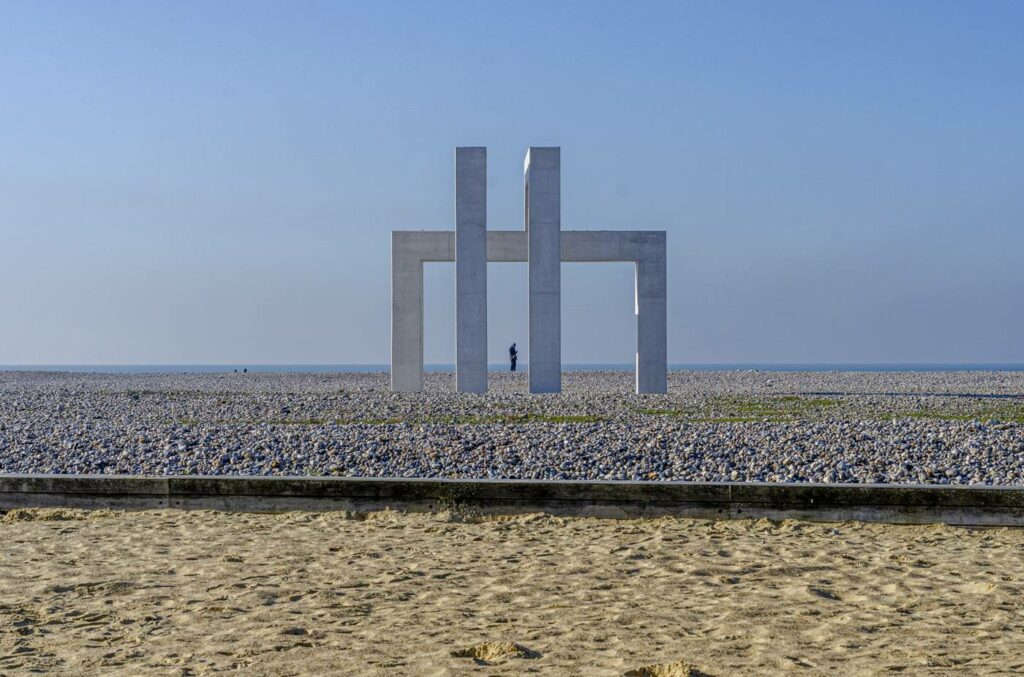
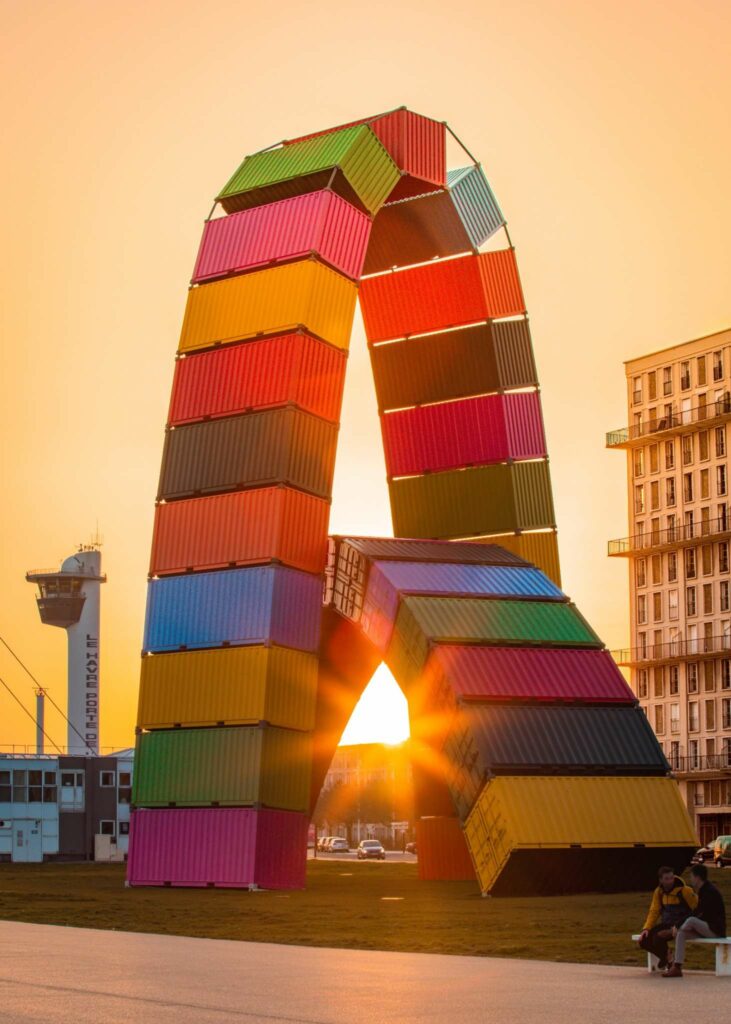
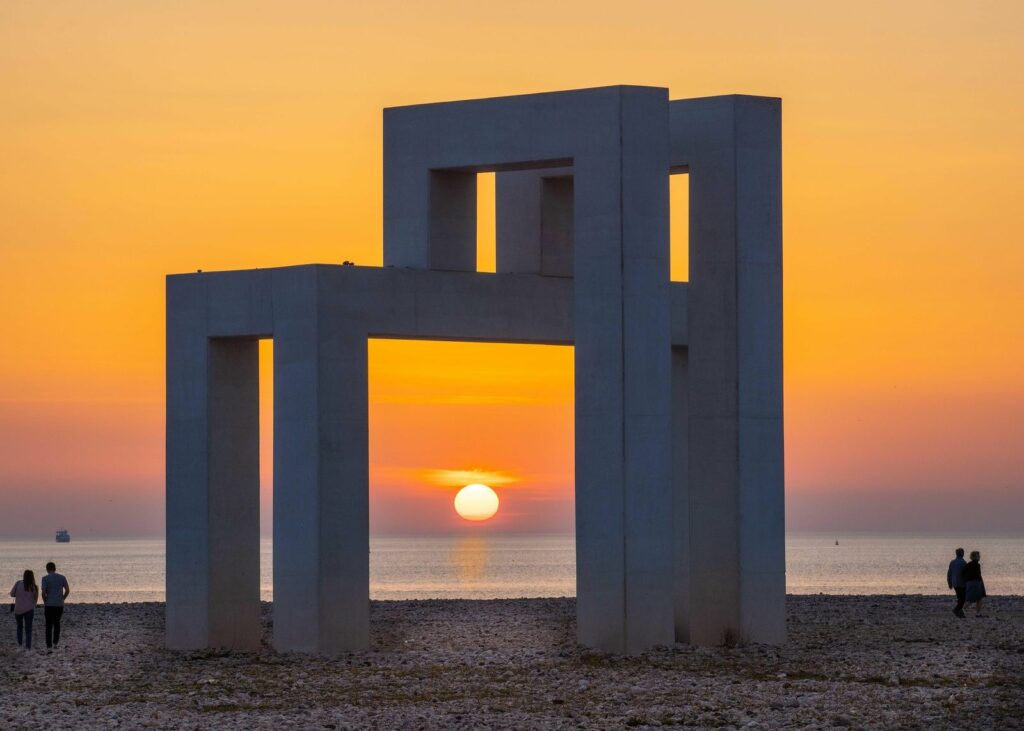
The route takes visitors through the UNESCO-listed city centre, along the marina, the beach, public squares, and the port, encouraging you to discover parts of Le Havre you might otherwise miss. One of the most photographed landmarks is Catène de Containers, a colourful arch made from stacked shipping containers that has become a symbol of the city. Other permanent highlights include UP#3, the striking white geometric sculpture on the beach, Impact, an impressive fountain installation in the Bassin du Commerce, and Apparitions, a series of sculptures perched on the rooftops of Perret’s buildings.

Leave a Reply

Your email address will not be published. Required fields are marked *

X